Am I Okay?

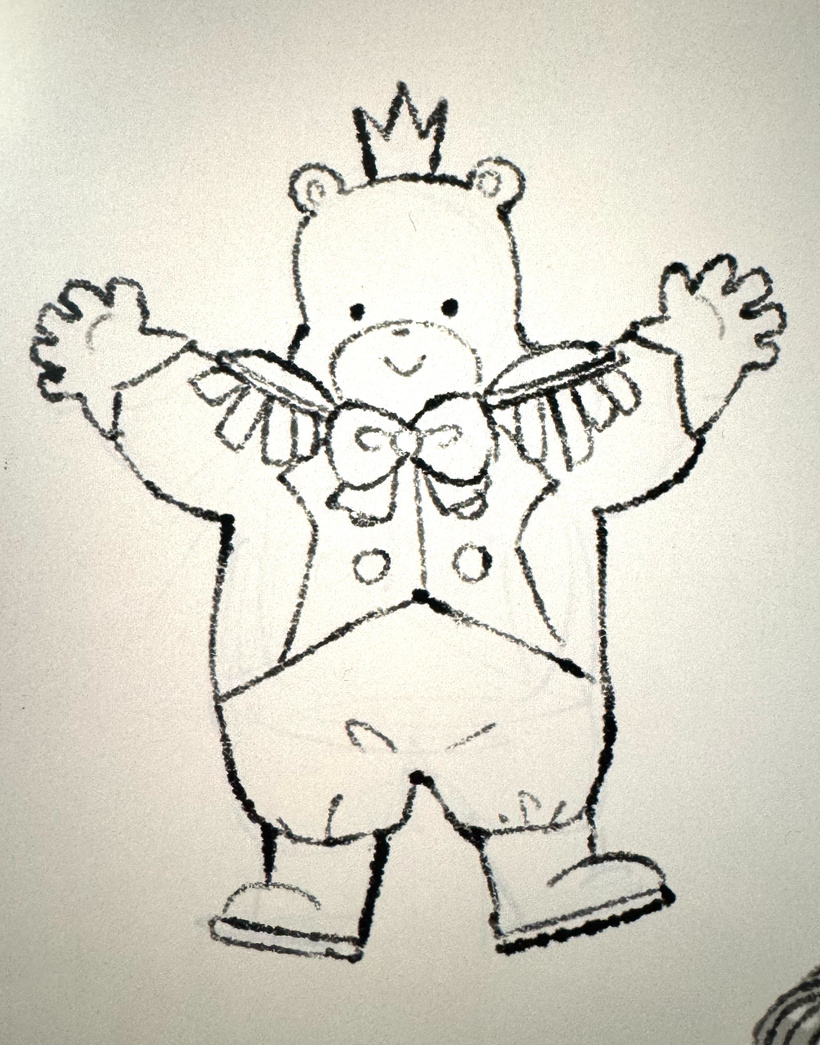
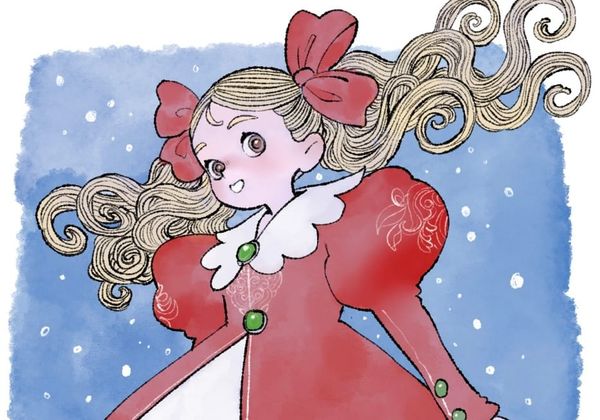
In the summer of 2025, I was staring, kind of slack-jawed, at my computer screen. My mouse was hovering over the send button on a draft of an email to my Random House publicist. I was looking ahead at my impending book tour for Angelica and the Bear Prince and was powerfully considering cancelling the whole thing.
I was not in a great place, emotionally. That August, a mass shooting took place at one of my local Catholic schools, the Church of the Annunciation, about two miles south of me. I remember it because as soon as I heard about it, I knew it was a Wednesday. My own Catholic grade school always had all-school Mass on Wednesdays. The little girl who lives across the alley from me and from whom I’d annually place an order of Girl Scout cookies—always the Samoas and Tagalongs—attends that school. Her uniform looked just like mine did at her age.
That year, there was a lot of bluster about denaturalization making the rounds in the news cycle, and the thought of air travel in this political environment made my palms sweaty and my thoughts fuzzy. Cooler heads would tell you that this was all empty, rhetorical, pie-in-the-sky right-wing fantasy meant to plumb a conservative base’s well of cultural resentment. I wanted, so very much, to be a cooler head. But it felt irresponsible to be pretend to be certain about anything in these times. ICE had already been circling around various American urban centers, and pockets of resistance were figuring out how to best navigate the current administration’s eagerness to suspend or ignore most of our basic rights as supposedly guaranteed by the Constitution.
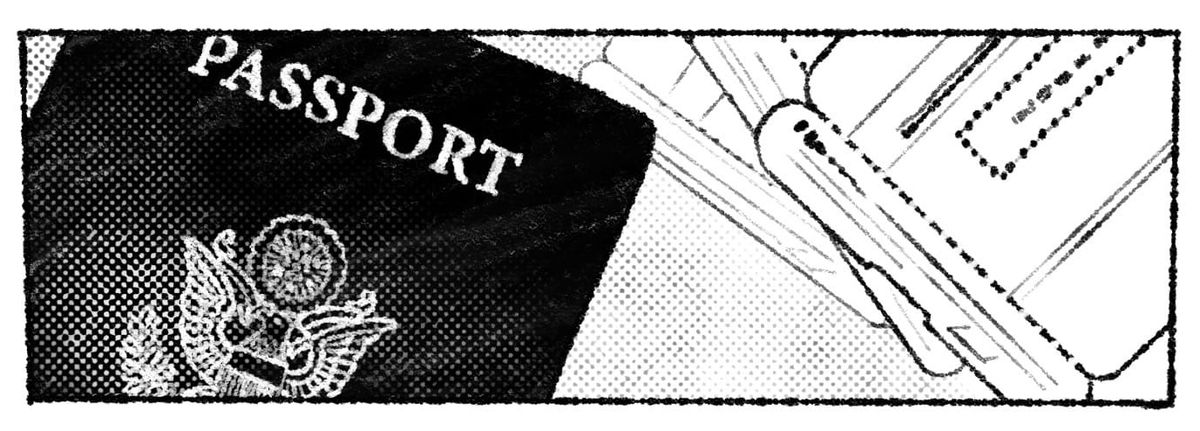
I became a naturalized citizen along with my parents in 1997. I was in the second grade, and I remember my parents’ relief and excitement. We could finally safely cross borders and visit Vietnam, their country of origin. I’d get to meet my cousins and my grandparents for the first time. My parents would be able to see friends, relatives, and neighbors they hadn’t seen in over a decade. It’s honestly not something that holds a lot of emotional heft for me, personally. This is just the shape of my life, a simple matter of fact. I’m a war refugee, like my parents. It happens to people sometimes.
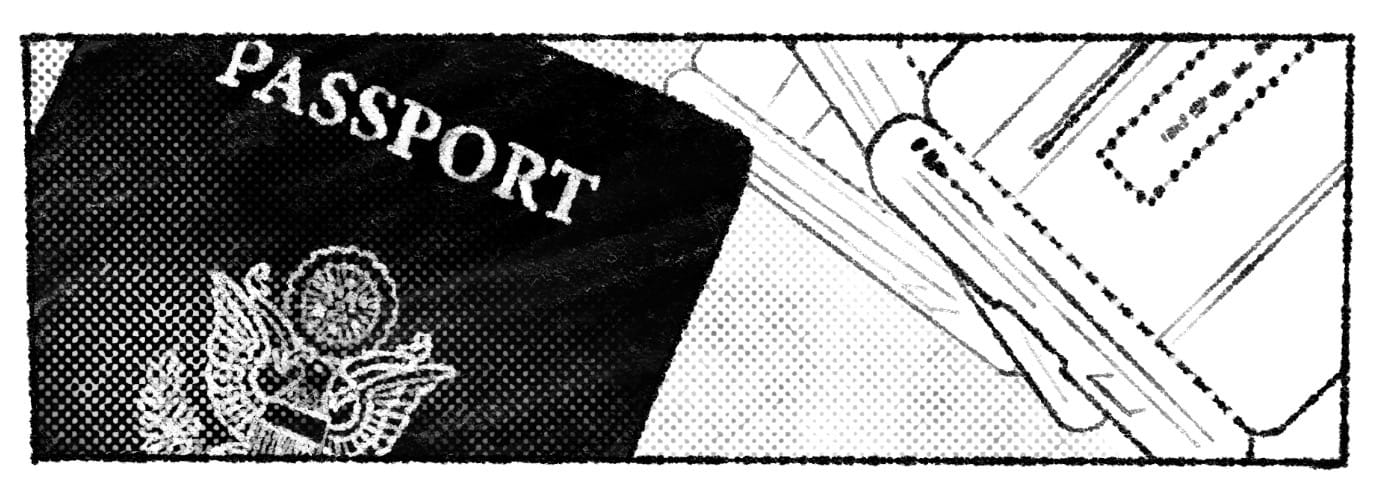
The main difference between me and my parents, though, is that they became war refugees, and I was born one, in a camp in the Philippines. This means that I was born stateless. I wouldn’t hold citizenship anywhere until my parents passed their citizenship test in 1997, after years of preparation. As far away and unlikely as the concept of denaturalization might be for most people, even the vague rhetorical threat of it looms a little bit larger over me than anyone else in my family. Should the worst, most flagrantly unconstitutional thing ever happen to our citizenship status, they had a country of origin, and I technically did not. It’s a worst-case scenario, but it’s one that I felt the need to keep my eye on, just in case. And it was a little isolating since I’m not sure most of my friends and neighbors ever have to consider that.
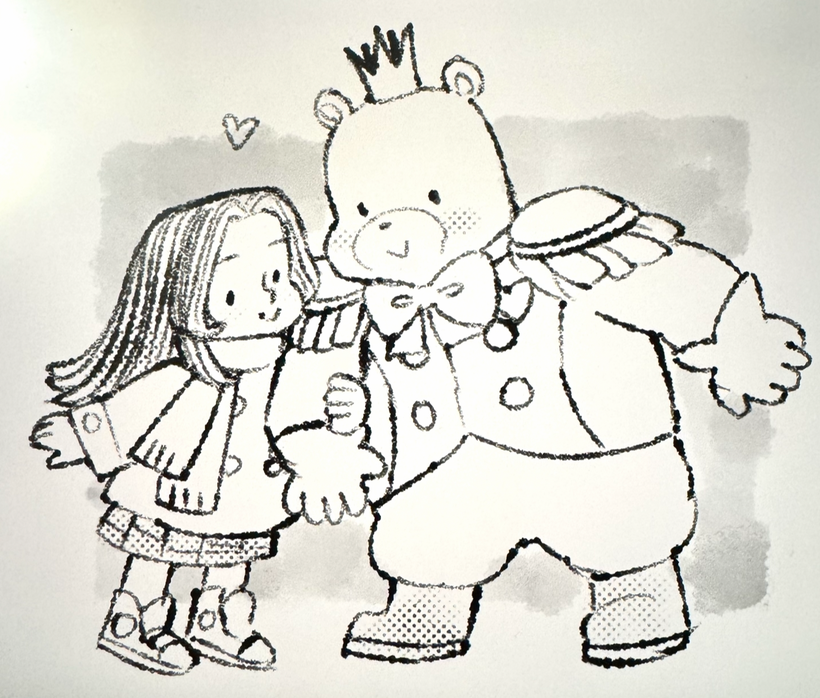
I never did send my publicist that email, after all. I decided that traveling for work was an acceptable level of risk. If there was publicity involved, that meant that there was someone expecting me on the other end of the plane ride. If I didn’t show up, someone would notice. There was some measure of safety in that.
I stayed at a hotel on Wacker Drive on one of my earlier tour stops in Chicago, just down the street from a Trump tower. It was warm and sunny, and the cab drove me past a crowd of anti-ICE demonstrators and their attendant hecklers. Out of the din of rhythmic chanting and the discordant counter-cries, I could faintly pick out, “Fuck you! We love ICE!” through the open car window. I knew the heckler wasn’t addressing me, literally, but for a moment it sure hit me like it did.
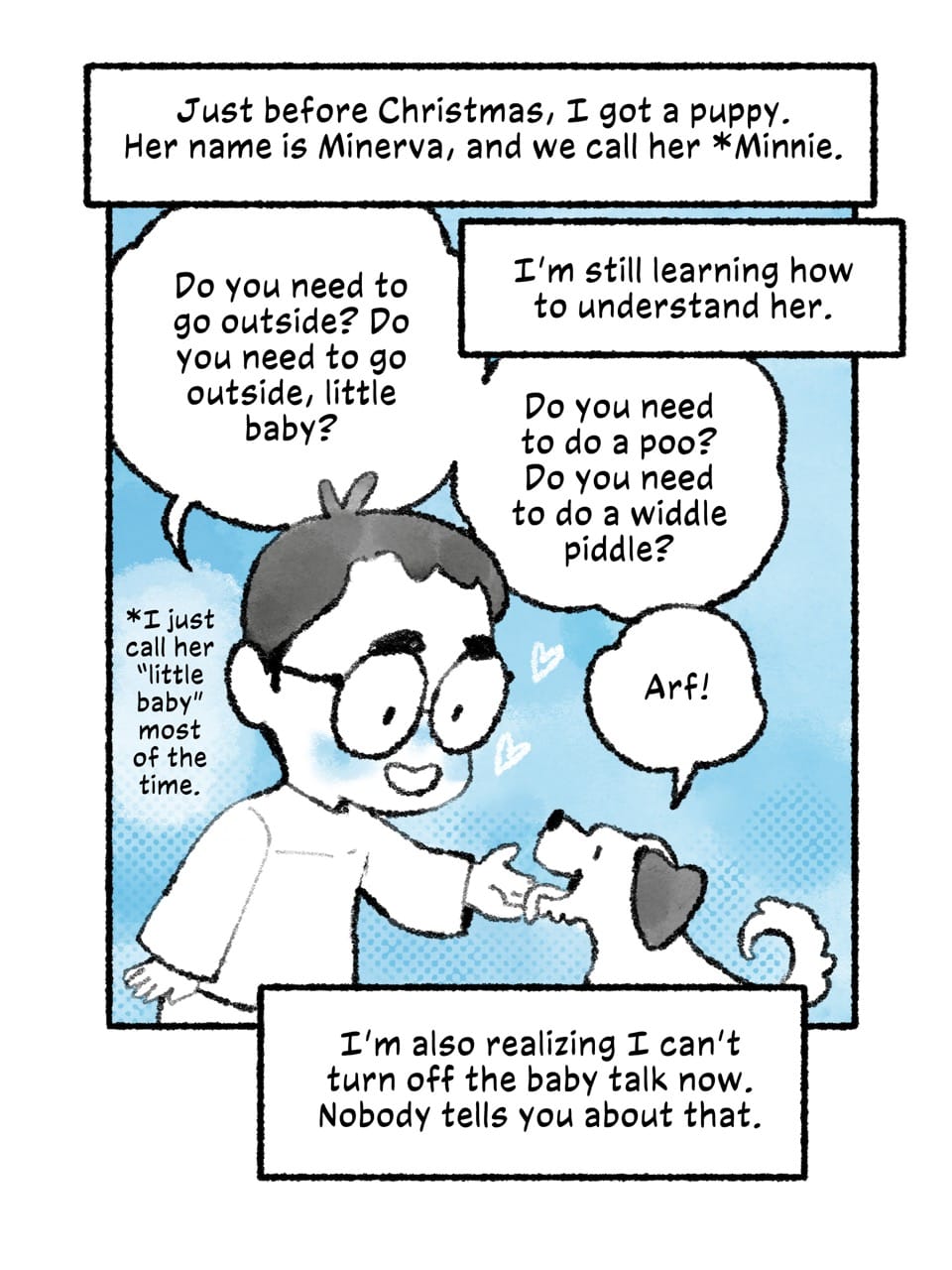
The rest of my tour went on without incident. I visited six cities all across the country for the first leg. In addition, I also attended YALLFEST in Charleston, ALA in Denver, and SLICE in Missouri. I was exhausted and glad to be home for the holidays. At one point while on tour, I was so stressed I somehow impulsively but insistently cajoled my partner into adopting us a dog. I was otherwise feeling optimistic about the New Year and was excited to wrap up a long project and start some new ones. 2025 had been rough. Maybe the next year would be gentler.
Exactly one week into the New Year, ICE murdered Renée Good on Portland Ave, eight blocks from my house and four blocks north of where George Floyd was killed almost six years earlier. She’d just dropped off her son at the school I jog past on the way to my favorite park. Two-and-half weeks later, Alex Pretti was murdered by ICE agents on Nicollet Avenue, just outside the donut shop I liked to go to after an afternoon at the museum.
I didn’t leave my house until March. Fortunately, I had my first puppy to keep me busy, but it felt like early COVID years again. I still don’t like to be out in public by myself. At the time, I’d recently started seeing a psychiatrist just before my tour, and I had a lot of difficulty gauging the effectiveness of my new anxiety medication when we checked in. It was so hard to tell if my anxiety was general or if I was having an appropriate reaction to the world around me.
I’m coming to grips with the clear fact that I’m a completely different person than I was a year ago. I remember I used to love to travel. I got to tour in Italy and France. I got to do workshops and book festivals in Switzerland. I visited bookstores all over the place on both sides of the Atlantic, spoke to students from middle school all the way up to grad school all across the country. And I was even lucky enough to give a couple commencement speeches. It was exhilarating to think I could be significant enough to share that honor with a graduating class. Travel was such an adventure. Now I’m nervous to walk around my block by myself. And I wasn’t alone in that feeling.
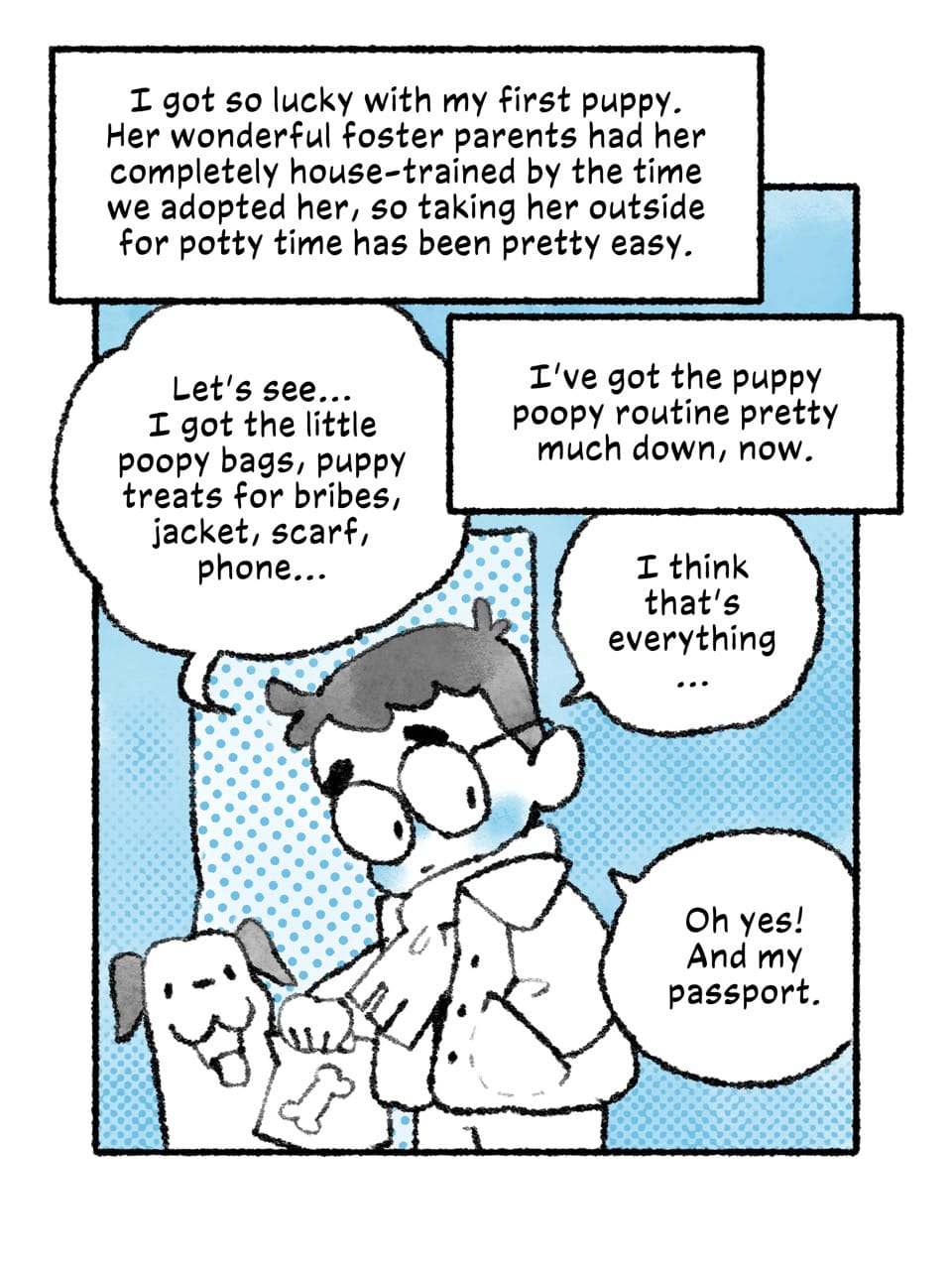
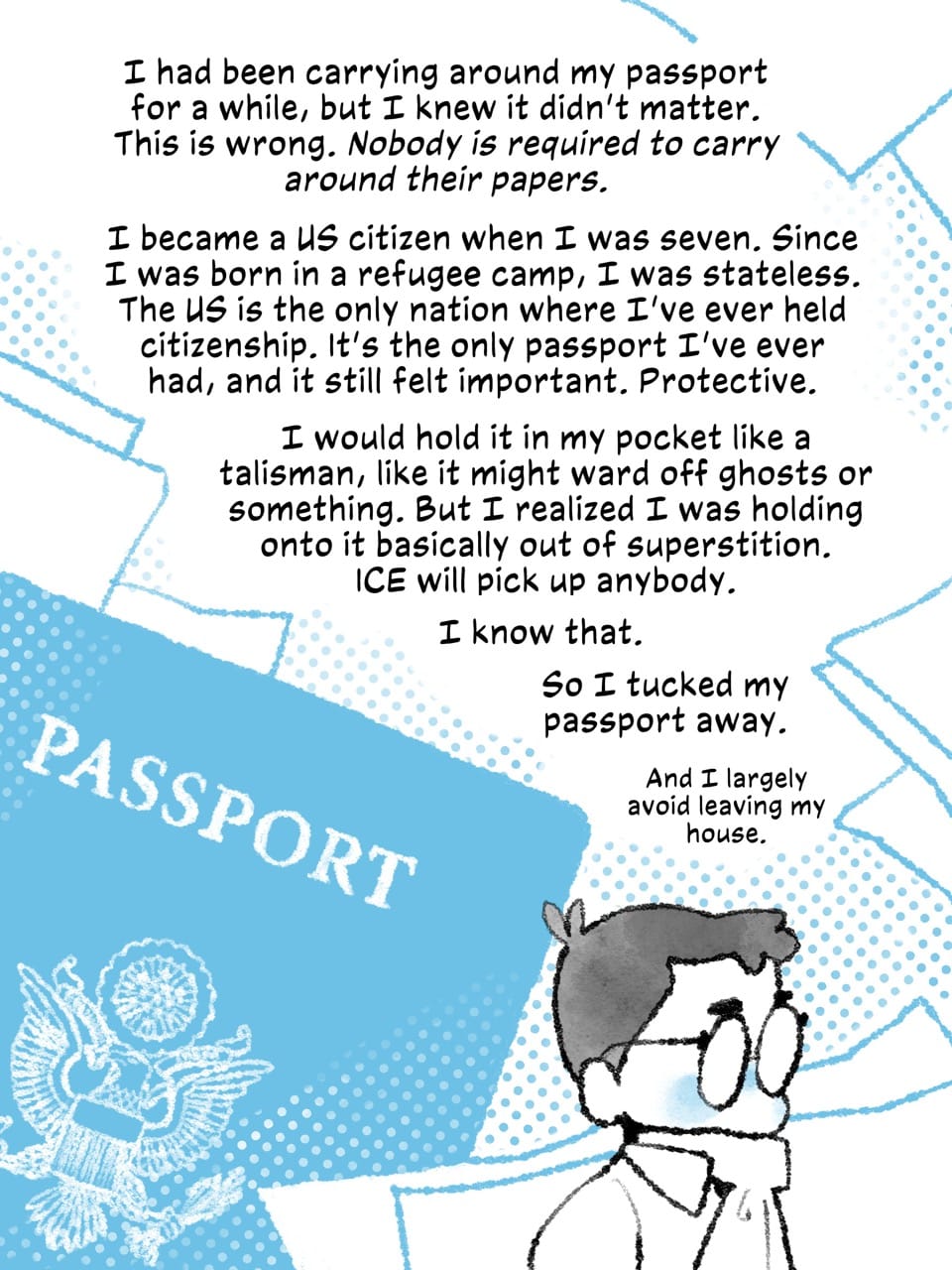
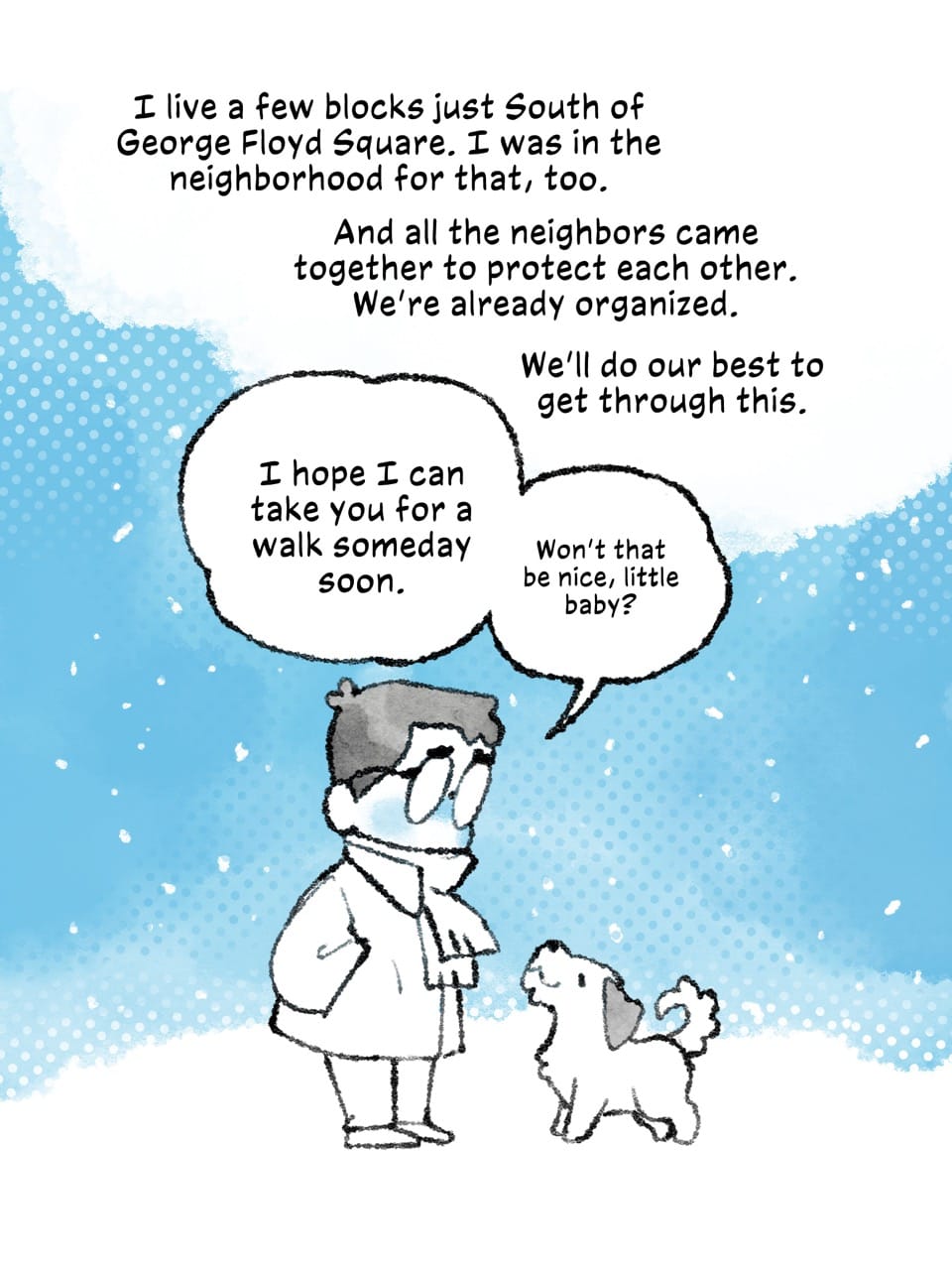
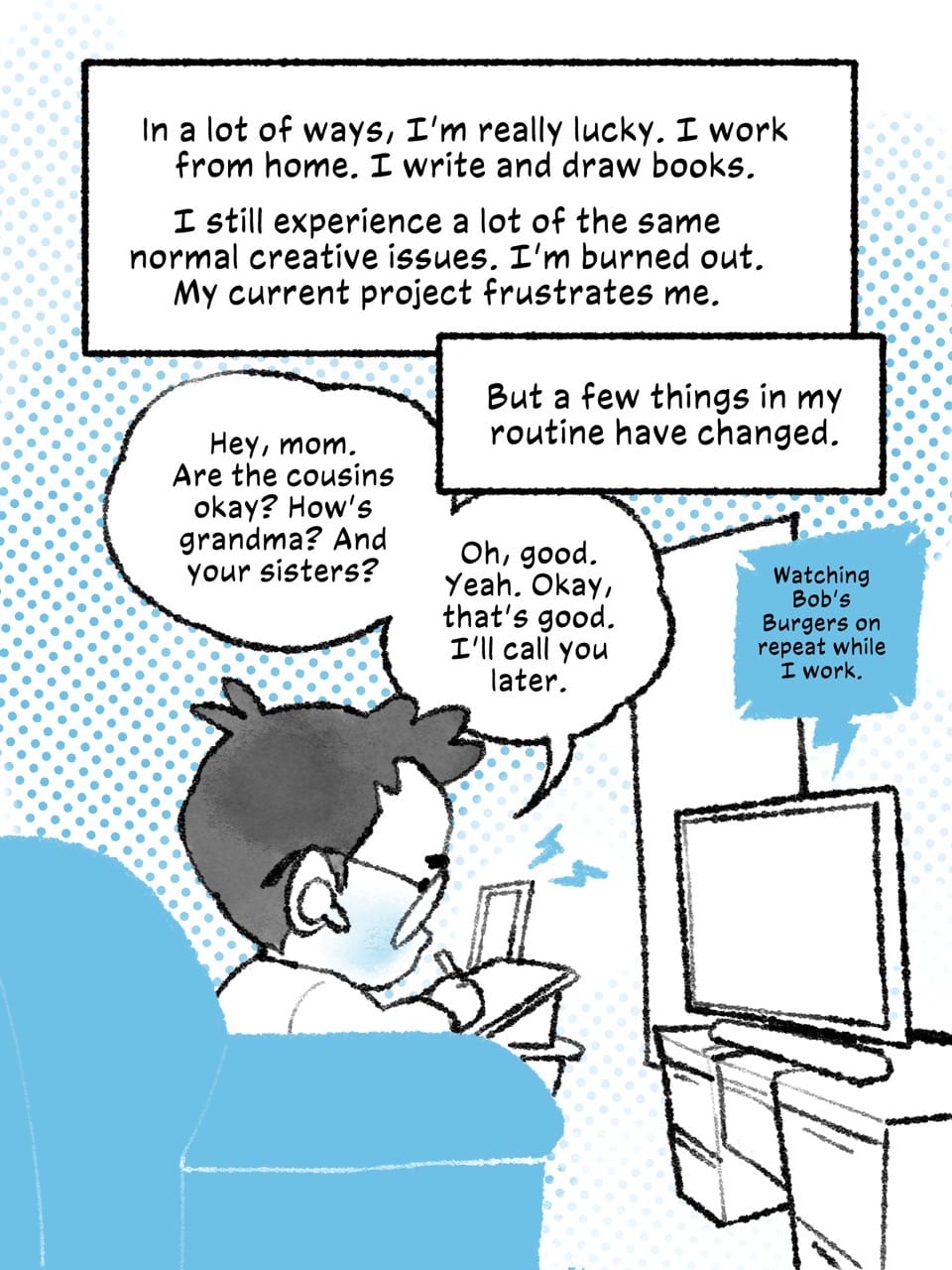
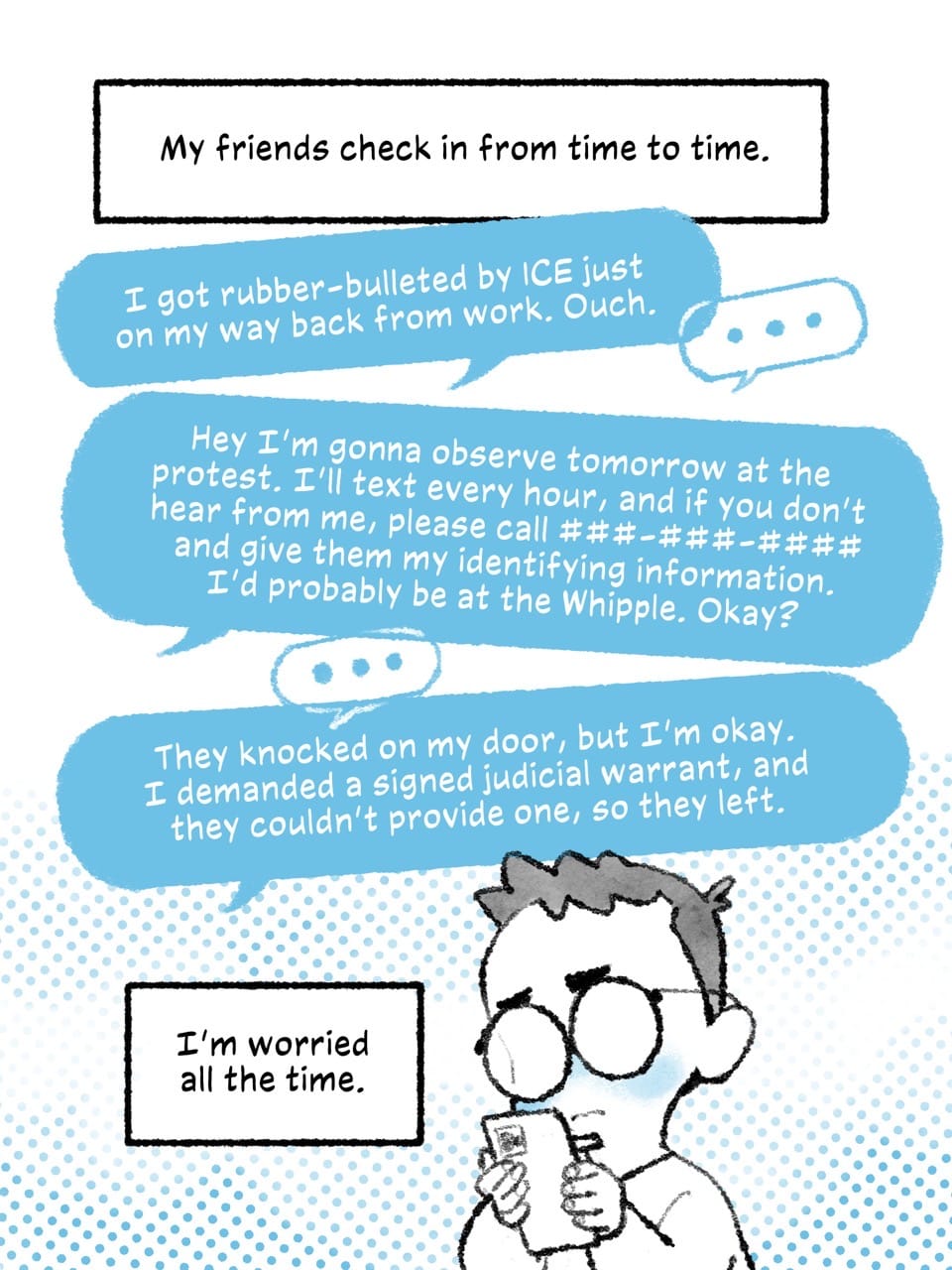
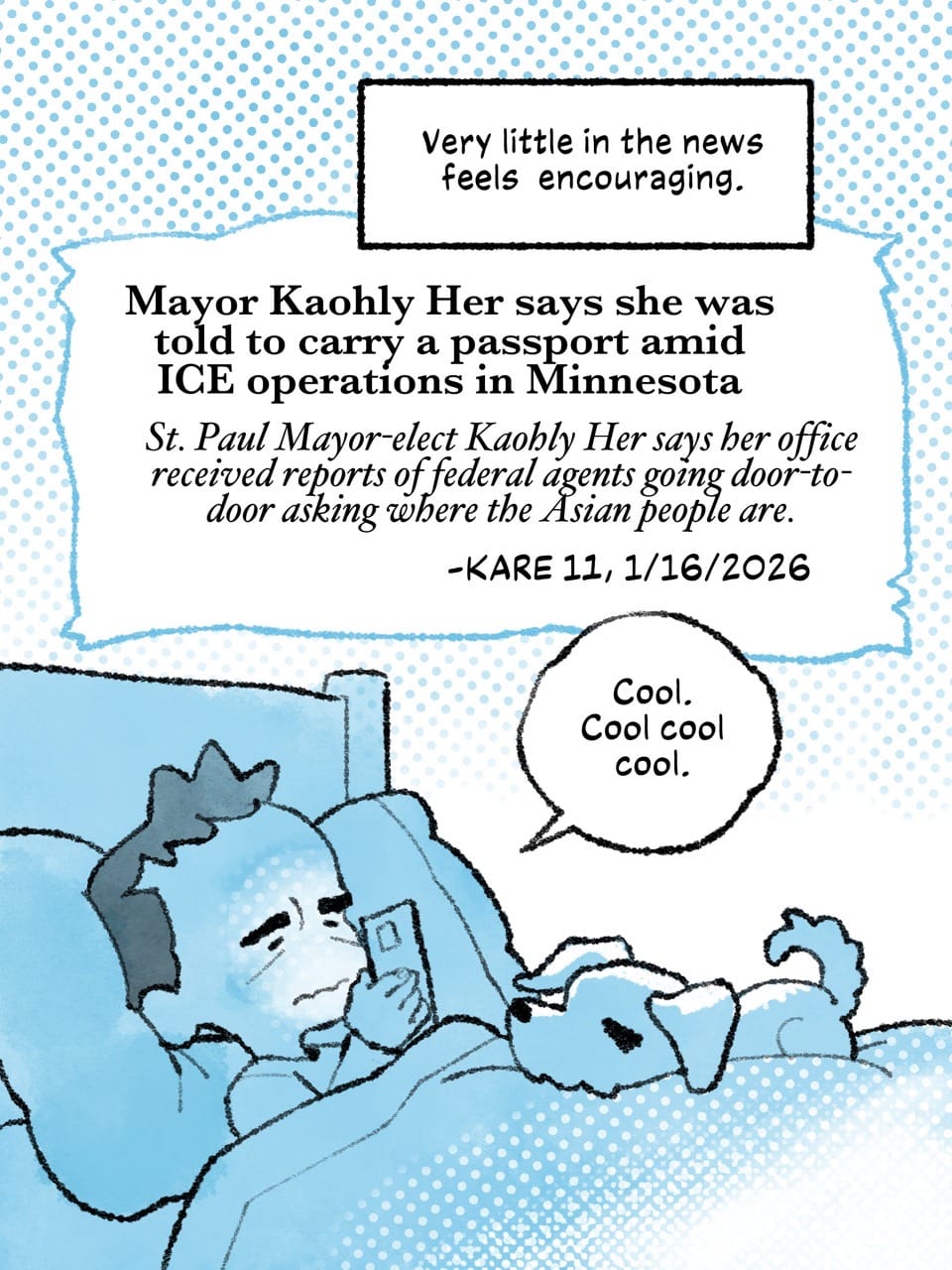
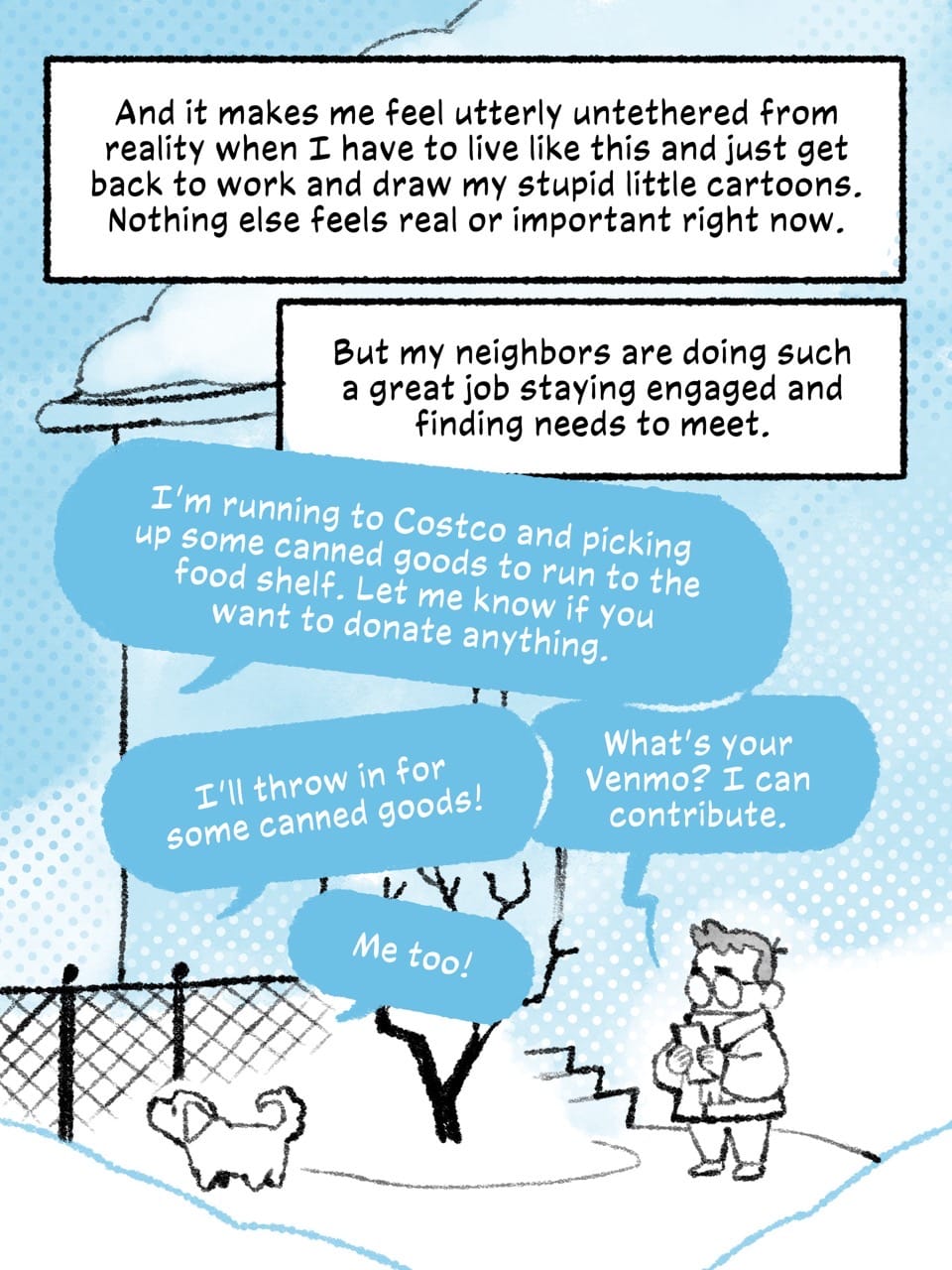
A lot of us stopped showing up, kind of in general, as people could be (and frequently were) kidnapped off the streets, from their jobs, on their errands, or picking their kids up from schools. And I think, in that way, the Trump administration succeeded in their cultural goals, such as they could be gleaned by any person capable of passive observation. Many immigrants, like myself, disappeared from the public sphere for a while. And it occurred to me that I was among the very lucky ones of us who could afford to self-isolate. Isn’t that crazy? I was lucky to be able to withdraw from public life and lock myself away, since I wouldn’t starve for it. Even from the confines of my little old Minneapolis house, I felt guilty.
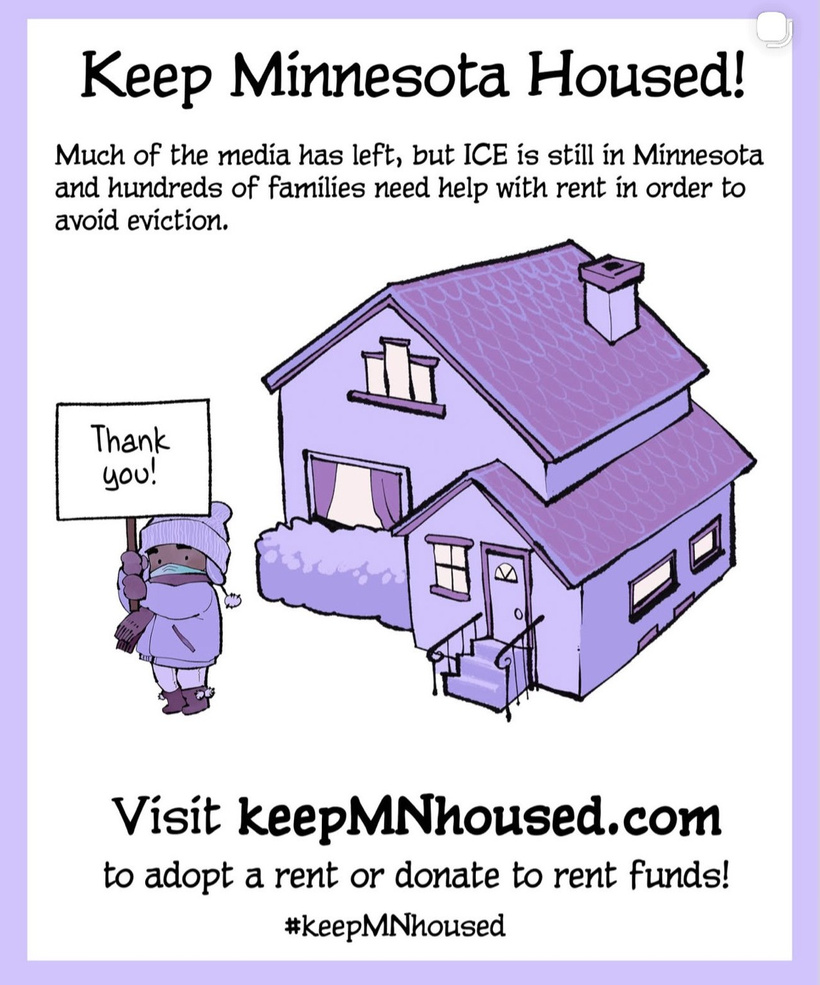
I put most of my energy into fundraisers, donating art and design where I could, participating in local rent relief, and keeping tabs on mutual aid efforts. I stood by on a phone tree for an old friend of mine working as an LO (a legal observer) at protests, and provided some shelter when they’d noticed ICE agents were following them home after the demonstrations each day. They were detained once, and I had a little card where I could call into the National Lawyers Guild and Monarca for legal support and to keep tabs on their case. I had a 3D-printed whistle in my bag. I kept myself busy.
At some point I noticed that I’d withdrawn socially, too. It follows that socializing would take a hit if you stopped leaving your house, so that seemed pretty ordinary, however darkly, under the circumstances. Makes total sense. But I also had to reckon with how much less energy I had to give to anyone else. I pulled back from pretty much everyone. I stopped showing up for people in my life, stopped texting, messaging, emailing.
It took an embarrassingly long time for me to figure out that my mental health was in dire straits. I wasn’t used to contending with these events emotionally. After all, my concerns are my concerns because this is simply the shape of my life. I pretended, to a significant degree of success, that I was just burnt out. It wasn’t untrue. I was, at the time, plodding my way through one of the most challenging and frankly disrespectful professional experiences of my career so far, but there was welcome distraction in a looming deadline. I think the moment you fully settle into adulthood is the moment you learned how to use professional stress to cover for emotional distress. Who could say where the depression started and the burnout began? It was convenient if you’re uncomfortable with your own feelings.
Fortunately, I had, and still have, a solid community around me. As soon as Operation Metro Surge was in full swing, all the old neighborhood networks from the 2020 uprisings following George Floyd’s murder locked right back in. And in spite of my best efforts, my friends checked in on me regularly and got me to, at the very least, entertain some company inside my house. I very slowly, but then deliberately, started to reach back out. It was a very long winter.
In the spring, I learned I was nominated for an LA Times Book Prize for Young Adult Literature. Random House offered to pay for my hotel if I could handle my flight to Los Angeles. I had a wedding in Petaluma few days after the LA Times Festival of Books, so that worked fine for me. I bought my tickets and flew to LA.
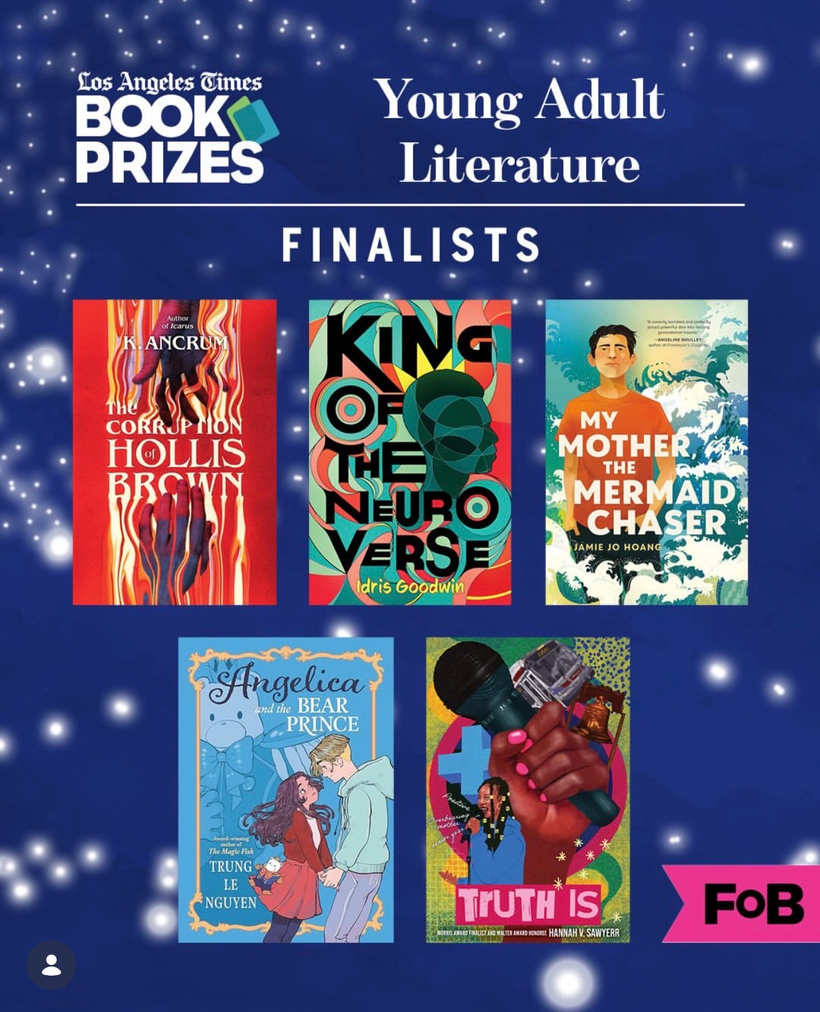
I remember sitting down in the Bovard Auditorium on the UCLA campus with my friends, Bryan and EJ, along with my fellow nominees—Idris Goodwin (King of the Neuroverse), Hannah Sawyer (Truth Is), Kayla Ancrum (The Corruption of Hollis Brown), and Jamie Jo Hoang (My Mother, The Mermaid Chaser). I’d met most of them at other tour stops earlier in the year, all incredibly kind people. Hannah advised me to prepare remarks just in case, and I very confidently thought, “Surely not.” I felt so awkward that night. We’d arrived way too early (I came at the time the itinerary told me to!), and I’d lost the magnetic attachment to my name tag so nobody would know who I was unless I brandished the little laminated card in someone’s face. I was comfortable with that, and tucked my name tag into my breast pocket.
I was the only graphic novel nominee in a lineup of YA prose books, which felt strange. For most of my tour, I felt like the odd guy out. Sure, my books are Young Adult, and I tour mostly with Young Adult authors. And yes, I know comic books are simply books. Even still, I have a little trouble believing everybody else feels that way. I had never entertained dreams of being an author growing up. As a kid, I took for granted that books just existed, never wondering who made them and how they got onto my library shelf. I essentially became an author because, for me, it was the most viable way to make comic books on my own. Traveling alongside book lovers all tour season meant that most everybody around me had fostered dreams of professionally telling stories, their names on the spines of books on shelves in libraries and bookstores all over. In that capacity, too, I felt like a fraud, like I’d just walked into the wrong room on my first day of class and was too embarrassed to leave.
The lights went down in the auditorium, and the ceremony commenced. My TBR list ballooned as they went through and awarded books in each category. Everything sounded incredible. They honored Amy Tan with a lifetime achievement achievement. And then, at some point, someone called my name. Again, I thought, “Surely not.” My friend Bryan gently shook me by the shoulder right back into the moment. I hadn’t paid attention to where I was supposed to walk to make it up onto the stage, but I got up. And I can’t remember what happened next, but there’s a video of it somewhere on the LA Times’s Youtube page that I’ve been afraid to watch.
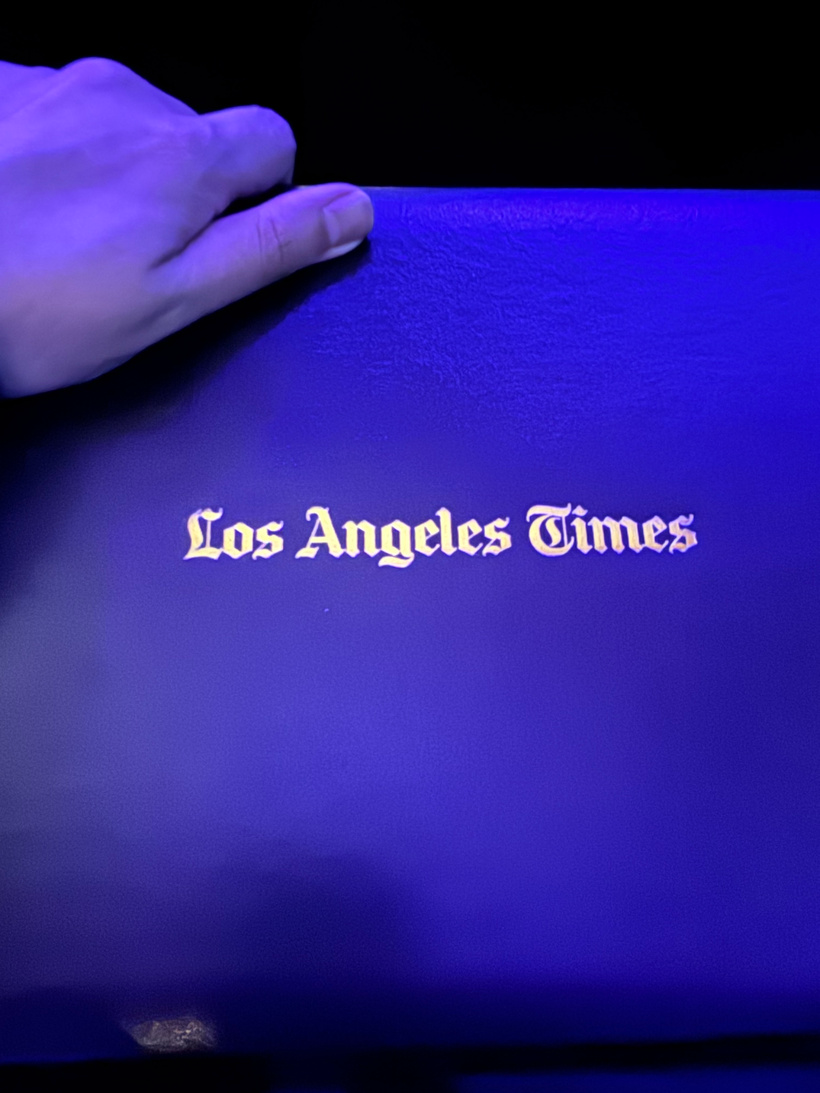
I won.
It felt not quite real. I wasn’t originally planning on it, but we attended the afterparty. The food was delicious. I had a lovely time hanging out with the other authors and meeting some very dedicated readers. I nearly cried in front of Amy Tan. And at the end of the evening, I made my friends take me out for chicken tenders at an obscene hour when only the drive-throughs were still open. We ate on the patio of a Raising Cane’s. It was a beautiful night.
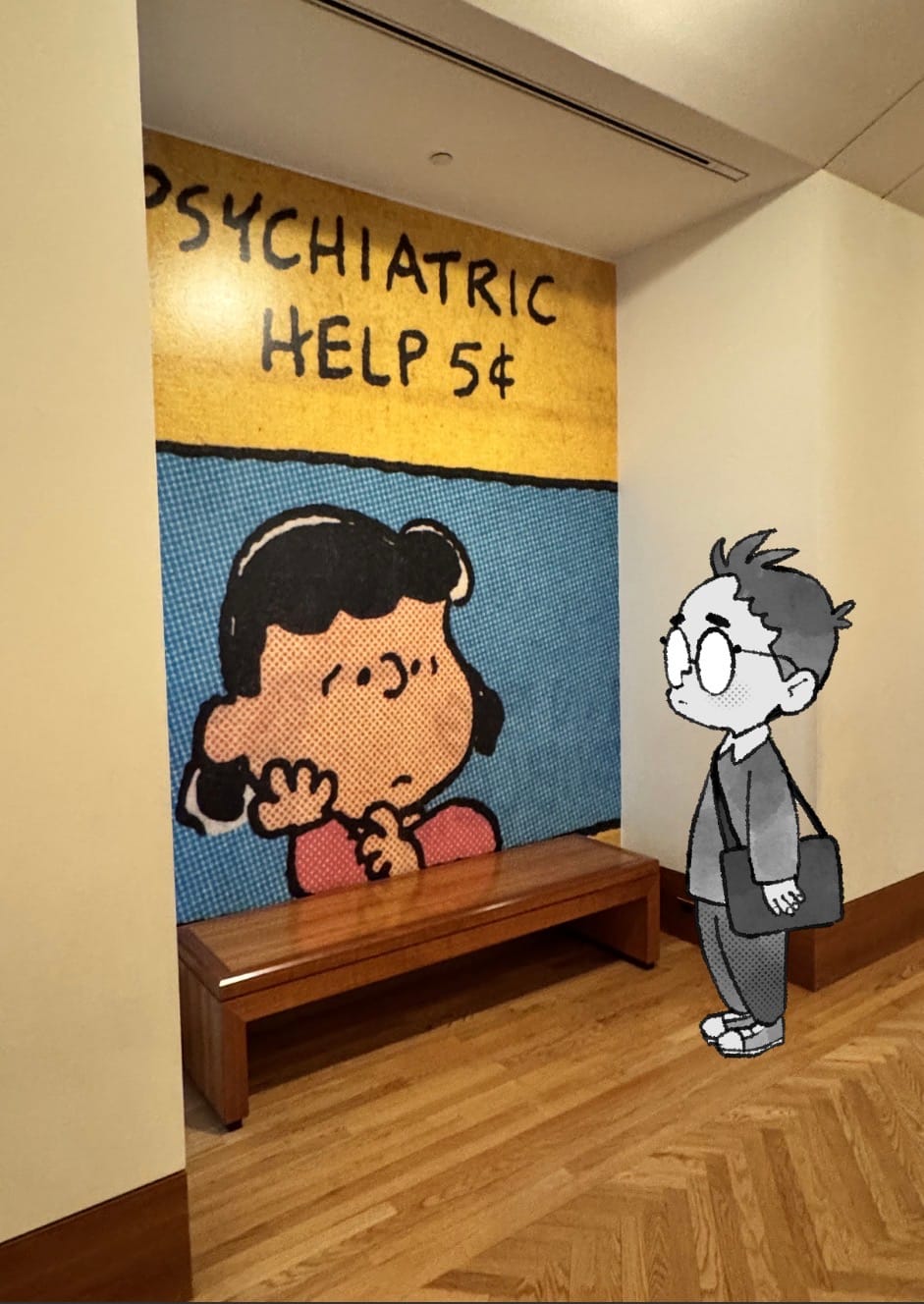
I got to spend more time with LA friends that weekend. I’d requested Cantonese food, and my friend Andrea took me to her favorite childhood haunt where I ate my weight in pork belly. I got to catch up with my old friend Leigh over breakfast before flying out to Petaluma for another friend’s wedding. There, I’d forgotten I had friends out near Santa Rosa—my friend Maia was local! On my free day before the wedding, Maia and I spent the morning talking comics and boy bands and the afternoon visiting a local bookstore and then the Charles Schulz museum.
The wedding was beautiful. My partner met up with me in Petaluma, and we seated ourselves at a table in a lovingly appointed barn with the groom’s Uncle Kirk and Aunt Karen, with whom I shared a love of Christopher Moore books. We had meza and pomegranate rice crispy wedding cake, and I developed a taste for Armenian food.
I finally internalized that winter had softened into spring. I had the joy of celebrating my work (in spite of myself) and my friends’ love and marriage. I enlisted my neighbors to jog with me out to Powderhorn Park three times a week. We resumed our D&D games, I finally hired an assistant (hi, Kelly!), signed a new contract for more books (yay!!!), and I found out Angelica and the Bear Prince was nominated for an Eisner.
Even though I’m still struggling to return to my work to my satisfaction, I have more reasons to feel a little optimistic about the rest of the year. I might be willing to accept the shape of my life in how it tumbles through time, but I’m still working to find those pockets of joy along the ride. I’m not quite looking forward to this summer, but I want to. And I think that’s enough for me, just for the moment.